
Disaster Recovery
Dittawa Cyclone Recovery
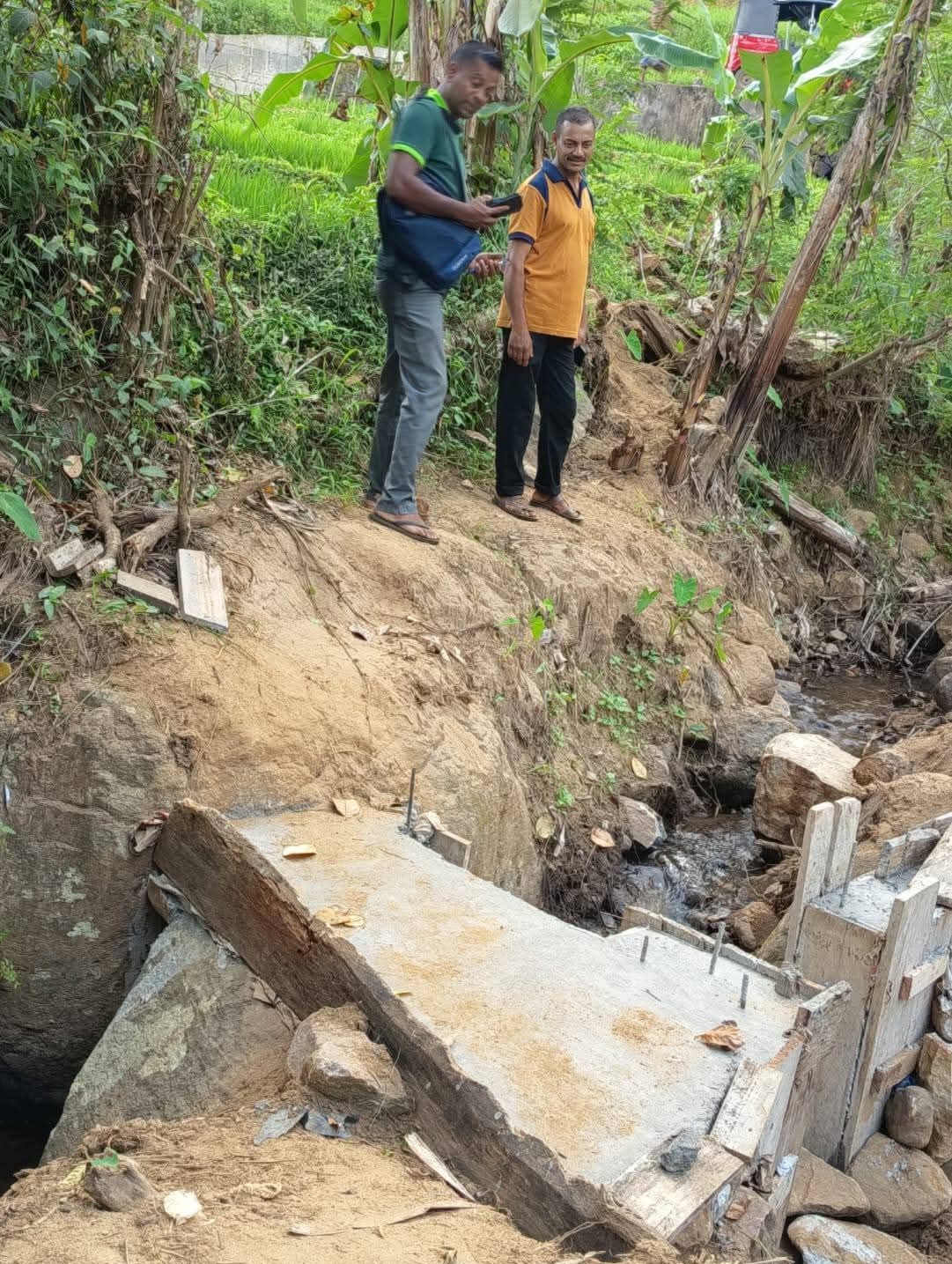
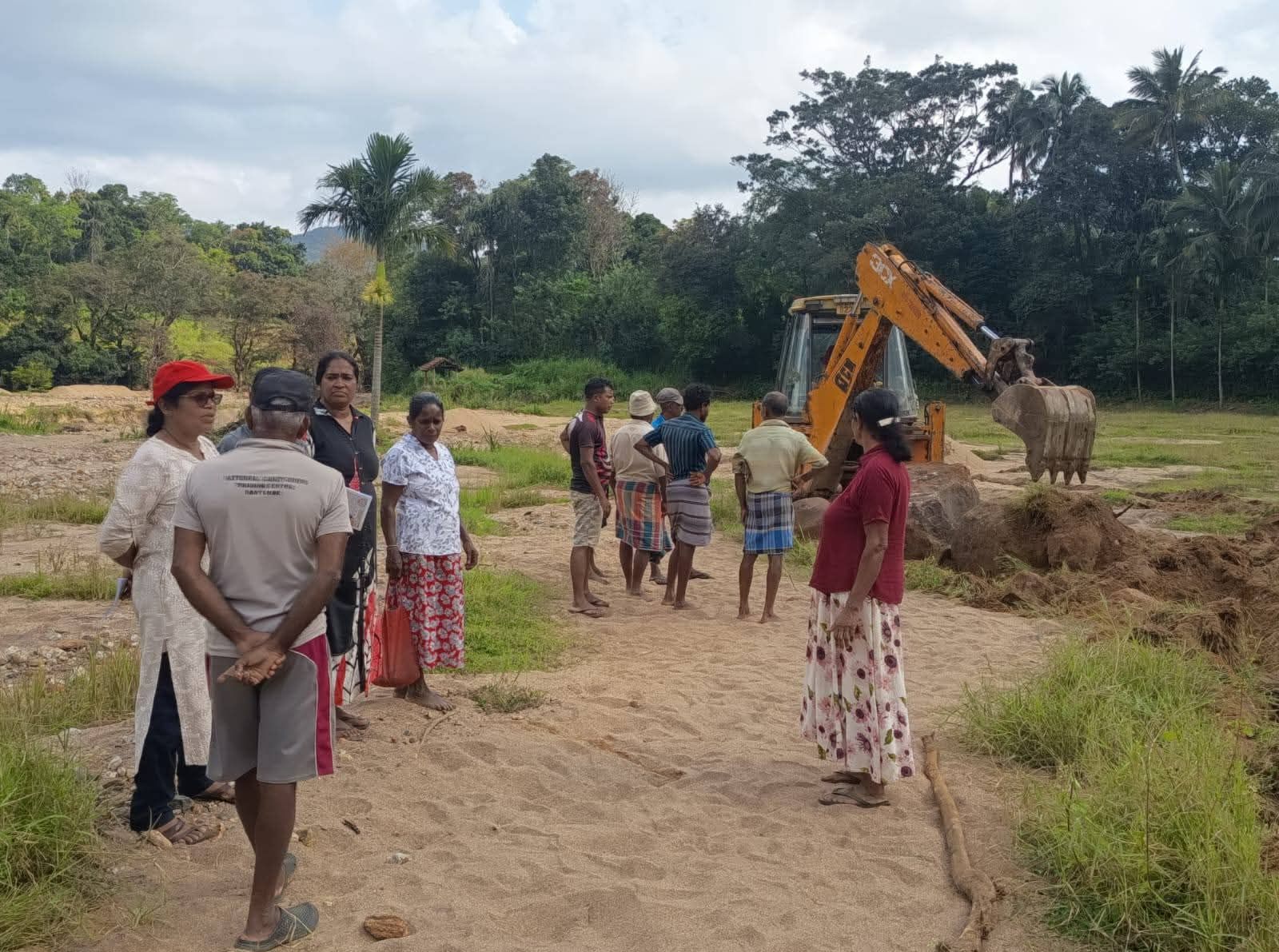
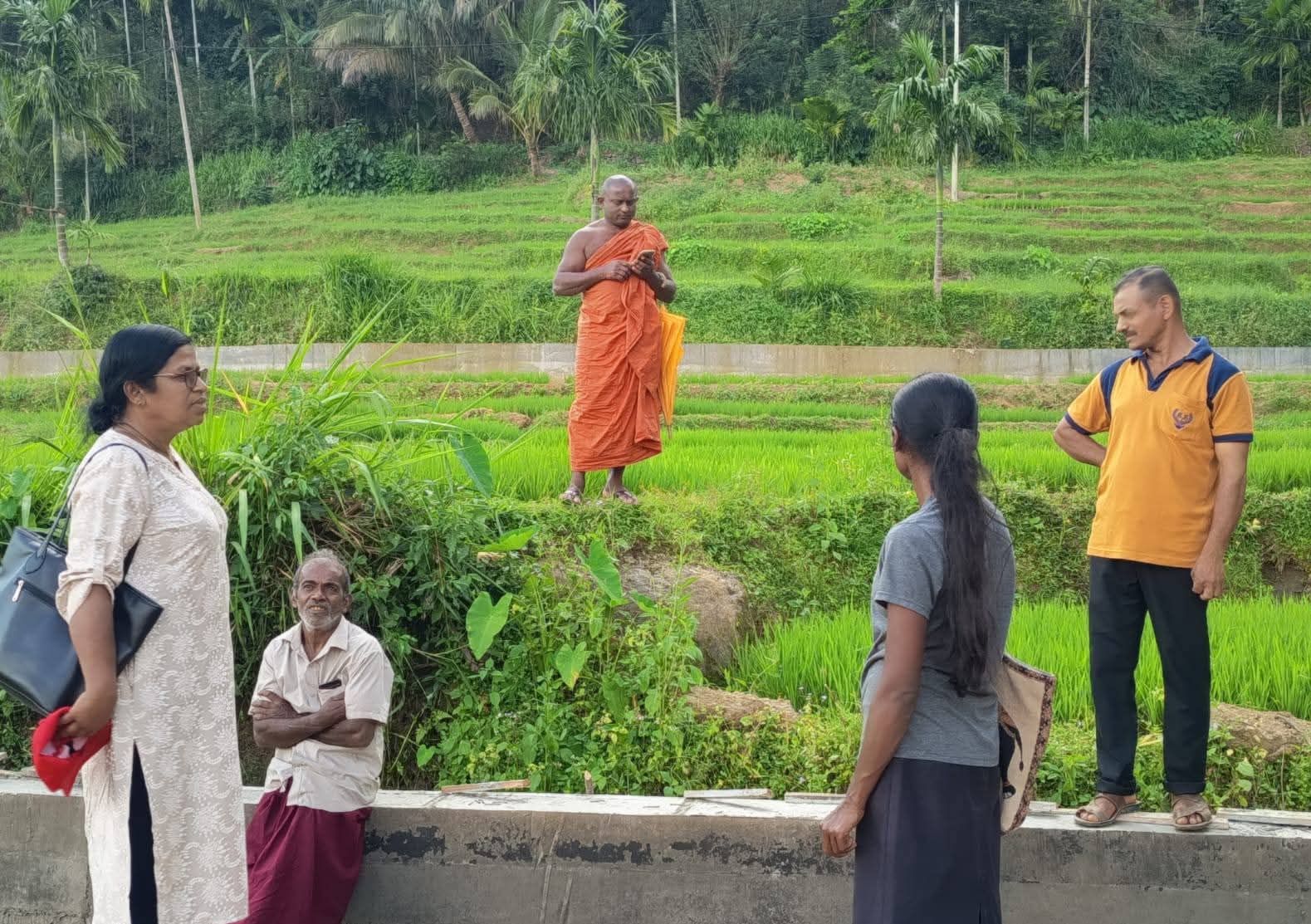
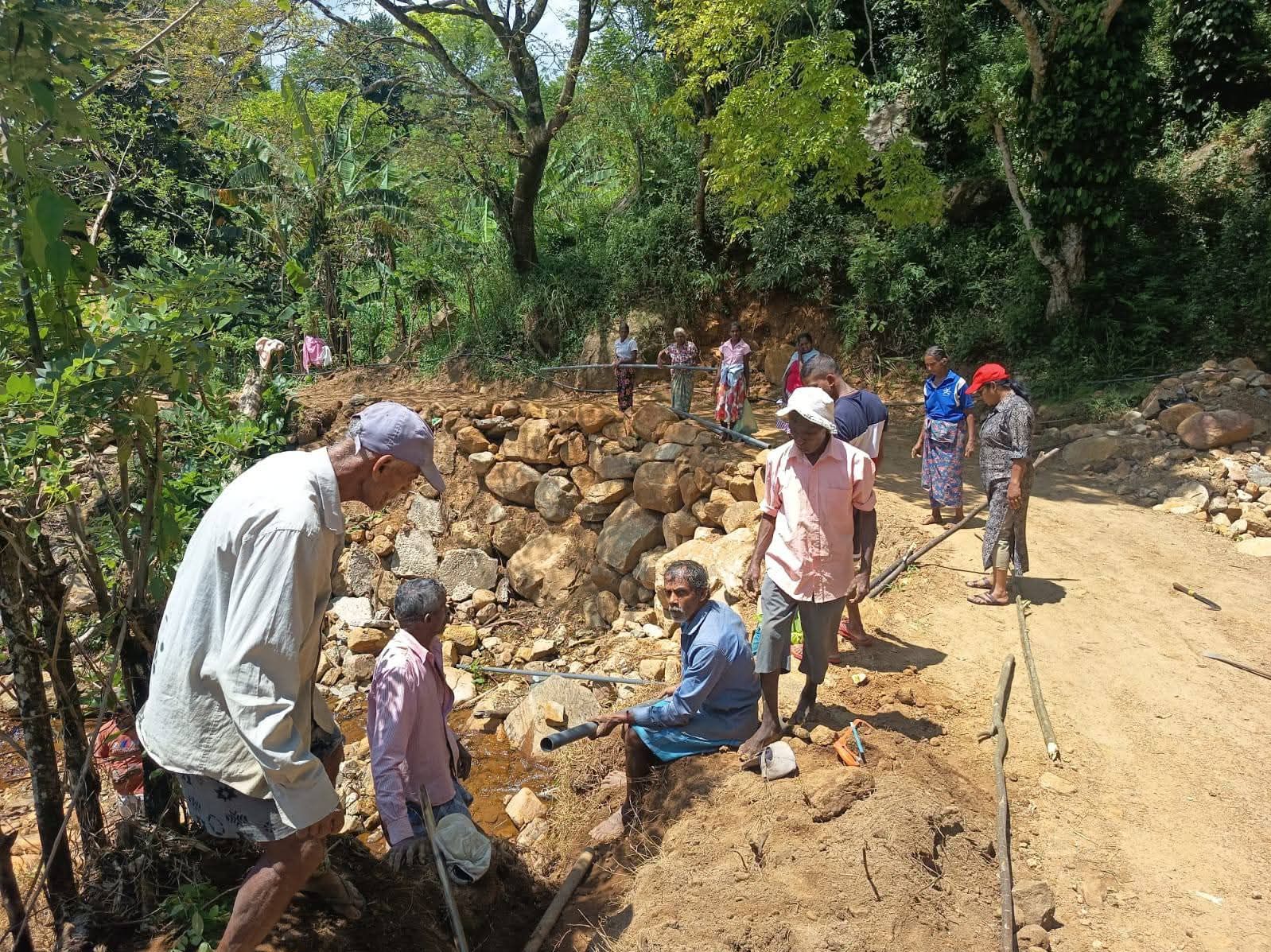
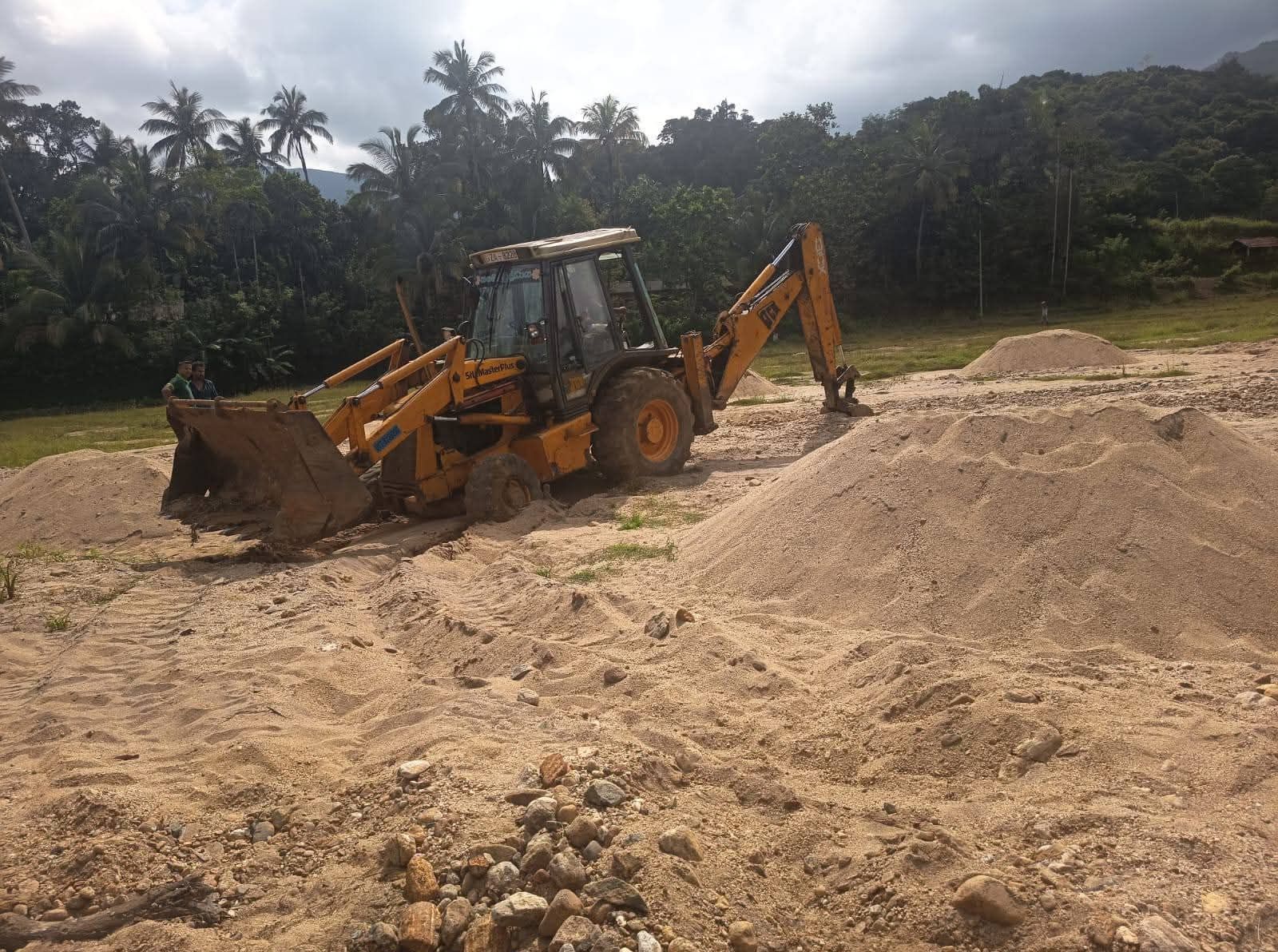
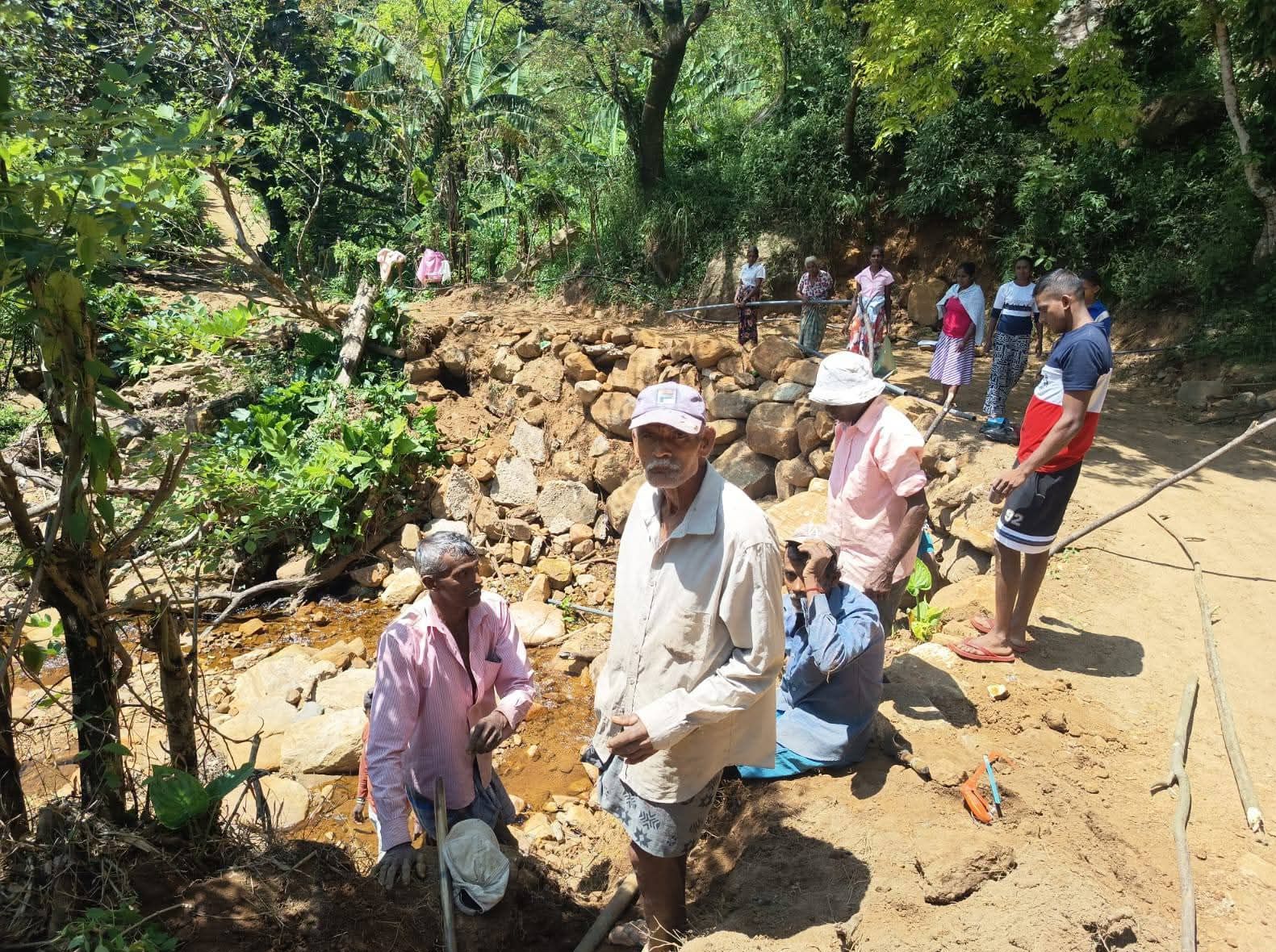
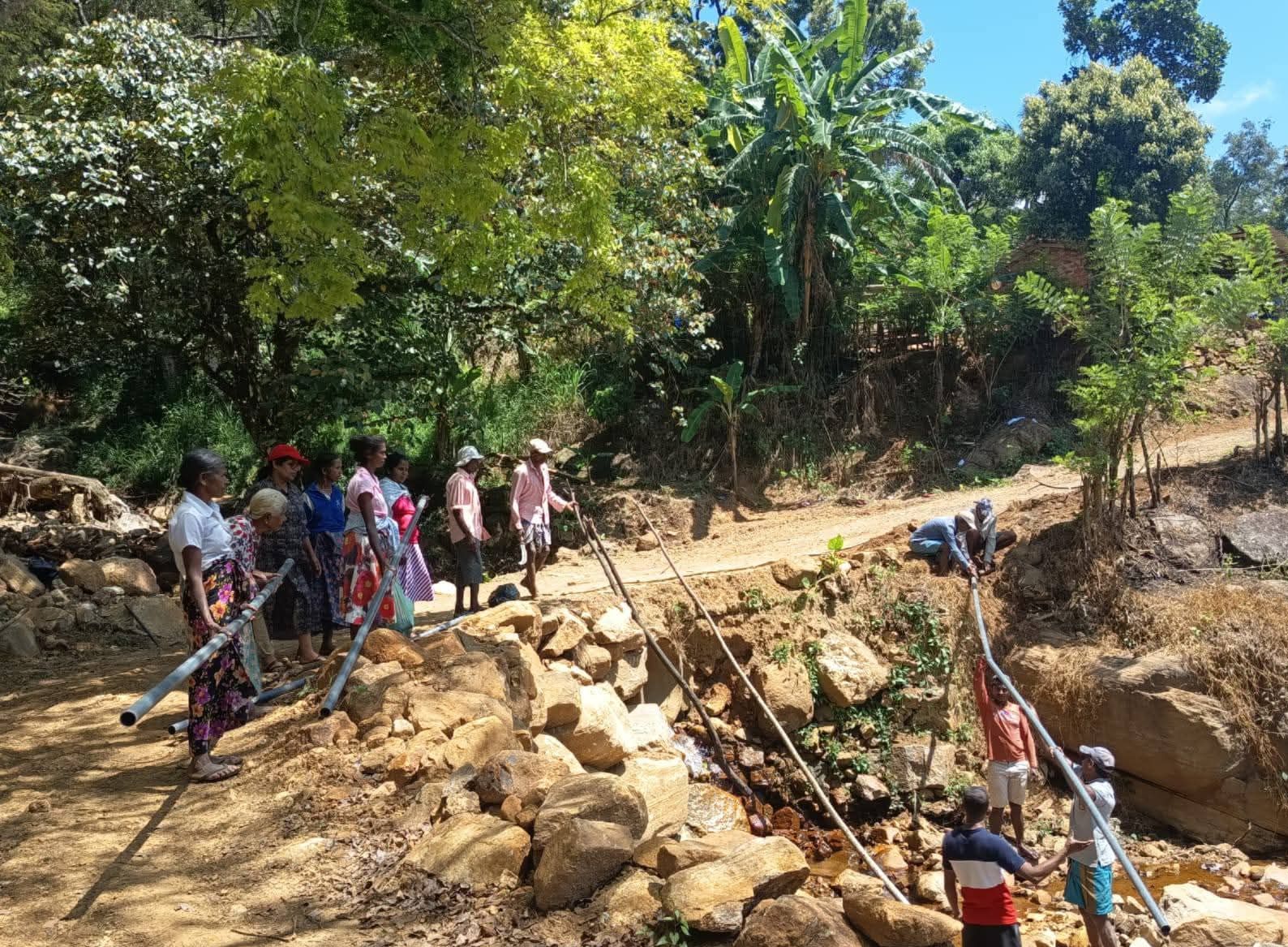
When a cyclone devastated communities in the Dittawa area, CDC responded rapidly to support affected families with emergency relief, debris clearance, and the early steps of rebuilding. This project documents the scale of the damage and the community’s determination to recover.
Dittawa, Sri LankaAbout this project
Rapid response after a natural disaster
The cyclone that struck the Dittawa area caused severe damage to homes, farms, and community infrastructure. Fallen trees blocked roads, roofs were torn from houses, and families were left without shelter or access to food. CDC mobilised quickly to coordinate relief efforts — distributing essential supplies, supporting debris clearance, and connecting affected families with resources needed to begin rebuilding their homes and livelihoods. Recovery is a long process, and CDC continues to work alongside the Dittawa community.
Type of Support
Emergency relief, debris clearance, and post-cyclone community recovery
Location
Dittawa, Sri Lanka
Response Scope
Emergency supplies, shelter support, and continued recovery coordination for cyclone-affected families.
Documentary Gallery
The damage, the response, and the road to recovery
Why It Matters
When Disaster Strikes, Community Response Matters
Natural disasters test the resilience of communities in ways that no planning fully prepares for. What makes the difference in the aftermath is the presence of organised, trusted networks that can act quickly, reach affected people, and sustain support beyond the immediate emergency. CDC’s work in Dittawa shows what community-based organisations can do when disaster strikes.
- Emergency relief supplies distributed to cyclone-affected families
- Debris clearance and road access restored to support community movement
- Temporary shelter support coordinated for families with damaged homes
- Ongoing recovery support to help families rebuild livelihoods and homes
Explore more CDC projects
CDC’s work continues across conservation, food security, livelihoods, recovery, water access, education, and community enterprise.